Does Your Houston Roof Need an Engineering Report?
By Shantell Moya · 3 days ago · 13 min read

Houston has a pretty unusual combination of brutal weather and unstable soil. This combination creates roof problems that don’t look anything like what most homeowners deal with in other parts of the country. The area sees more than 50 thunderstorm days every year, and every one of these storms hits on top of the clay soil that keeps moving as the region cycles between periods of drought and heavy flooding.
An engineering report has the technical proof that you need if disputes come up with your insurance company or when the city needs to see permits for big repairs. With the right paperwork in place, you can get your full claim payment, try to make sure your warranties stay valid and prove to future buyers that the repairs were done right. Property owners around Houston who take care of this paperwork at the right time won’t run into the expensive problems that usually show up when homeowners skip out on it to save a little money.
Here’s when your Houston roof might need this assessment!
How Engineering Reports Help Your Claims
Insurance carriers have become much stricter about roof claims since Hurricane Harvey hit the Houston area. They want a lot more documentation and proof before they’ll approve a claim for roof damage. Engineering reports have become one of the most reliable ways for homeowners to provide them with the strong evidence that their insurer is actually looking for.
These reports help insurance carriers sort out which damage is from the recent storm and which parts of your roof were already in bad shape before anything hit. Roofs don’t last forever – they get old, and the materials break down, and eventually parts start to fail on their own. A big hailstorm rolls through your neighborhood, or maybe a hurricane tears through the region, and suddenly you have an insurance adjuster at your door. Their whole job is to look at your roof and separate the storm damage from the existing problems that were already there, just waiting to give out.

An engineering report is probably your best option if you need solid proof for your insurance company. A licensed engineer will come out to your property and look at the roof in person, and they’ll take close-up photos and measurements of the damage they find. The report itself is pretty detailed – it breaks down what the damage is, and it comes with a professional assessment of when the damage happened. Insurance adjusters usually take these reports seriously because they’re prepared by a third-party professional with legitimate credentials and no stake in the outcome.
A lot of homeowners submit their claim and get it denied on the first try. But when they add an engineering report and send everything back in, the insurance company will usually change its mind and approve it. The report makes this happen because it gives your insurer the technical proof that they need to actually justify paying out your claim.
Houston gets hit with rough weather a lot, and the insurance carriers know it. Because of this, they’ve started to ask for a lot more documentation before they agree to pay out on any of the claims. The report ends up protecting both sides when they depend on it. For you, it confirms that your roof actually took damage from a recent weather event. For the insurance company, it gives them the confidence they need to approve your claim without any hesitation. Storms roll through this area enough that documentation like this has become a standard part of the claims process for most homeowners.
Signs That Your Roof Needs Help
Most roofs will give you at least a few warning signs well before any damage turns into a disaster. A sagging roofline is one of the biggest red flags you can look for, and that’s usually a sign that there’s some structural problem happening underneath the shingles. Step back and look at your house from the driveway or the street. Any dip or curve anywhere along the roofline where it should run in a straight line is a strong indication you’ll have to get a professional roofer out there fairly soon.
Cracks in your walls or the ceiling usually mean something’s moving around in your roof structure up above. Water stains are a whole different problem, and the sneaky ones are the stains that show up one day and then vanish the next. Houston’s humidity doesn’t help matters either – moisture can sit in your roof for months on end before you ever see a single stain appear on your ceiling.
Uneven surfaces aren’t the same as the normal wear and tear you’d expect after years of weather exposure. I’m talking about sections of your roof that look like they sink down or areas that sit noticeably higher than they should. When your roof develops these kinds of uneven areas and dips, that tends to mean that the support structure underneath has either weakened or shifted out of position.
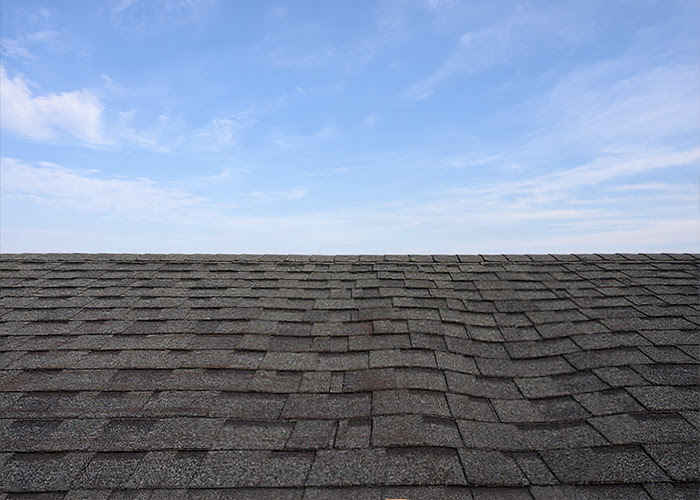
A small dip in your roofline might not look like much from where you stand. But nine times out of ten, the wooden beams underneath just aren’t strong enough to support the weight anymore. That small dip from ground level usually means a genuine structural problem, and it’s only going to continue to get worse as time goes on.
At this point in the process, a ladder and your own two eyes just aren’t going to give you the information you need. You need a professional to check for structural damage – someone who understands how to review the load paths and can tell if you have cosmetic surface damage or if you have a genuine problem with the structural integrity of the building.
Clay Soil Problems for Houston Homes
Homes in Houston are built on clay soil, and it can be frustrating to work with. The clay swells up when it gets wet and then shrinks back down when it dries out. This expansion and contraction cycle creates constant movement underneath your foundation.
Foundation problems don’t stay down below where they start. Any movement or settling in your foundation is going to push upward through the walls, and the force eventually reaches your roof framing. Your roof can start to twist or get pushed out of alignment in ways that you won’t be able to see when you’re just standing outside looking up at it.
Houston’s weather makes foundation problems even harder to manage every day. The area experiences repeated cycles of heavy rain and extended dry spells throughout the year. During rainy periods, the soil absorbs that moisture and expands. During drought conditions, it shrinks back down. Foundations have to adjust again and again to this movement, and the cycle never stops.
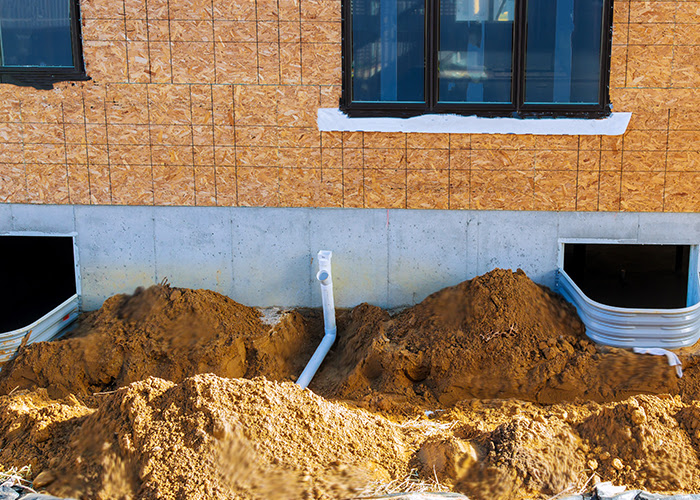
Cracks in your interior walls or doors that stick usually mean that your foundation has moved at some point. The framing can move around even when your shingles look fine from the outside.
An engineering report is going to show you just how much the foundation movement has affected your entire structure over time. The engineer will check for issues, such as if your roof framing has started to twist or bend, or if any of your load-bearing walls have actually moved out of position. This type of inspection measures and records various structural problems that just don’t show up during a standard visual inspection.
Your house works as one connected system, so when the foundation at the bottom starts to move, the roof at the top is going to feel it. The clay soil underneath your foundation doesn’t care if your roof is supposed to stay level or not – it’s going to expand and contract based on how much moisture it absorbs from the rain and drought cycles that come through your area.
Your HOA Rules and Warranty Requirements
HOAs usually have their own set of standards that are not what the city actually needs. Planned communities around Houston are especially strict about roofs – they control what you can and can’t do through design standards and structural specs that every homeowner needs to follow. The whole point is to make the neighborhood uniform in appearance.
HOA standards for roof work are usually pretty specific, and each association runs the approval process just a little bit differently. Some of them will ask for a full engineering report before they even start to review your application. Others want to see the engineering report at the same time as your material samples and all your contractor information. This paperwork exists to help protect property values and make sure that every home stays in line with what the neighborhood is supposed to look like. Premium materials like tile and metal are going to need some extra steps to get approved. Tile and metal are substantially heavier than the basic asphalt shingles, and all that extra weight puts a very different type of load on your roof’s structure. Manufacturers are well aware of this fact, so they’re going to want to verify that your home can support the extra weight before they honor their warranty on the product.

Almost all of the big roofing manufacturers out there have pretty strict requirements for the engineering paperwork, and I’ve seen plenty of warranty problems stem from this exact problem. Before they’ll honor your warranty, you’ll have to be able to show them that a licensed structural engineer actually reviewed your roof. If you don’t have that proof on file, they can void your warranty, and it doesn’t even matter if you purchased their top-of-the-line premium materials – you could spend extra on their most expensive product line and still wind up with zero coverage if that engineering report isn’t in place. Manufacturers need to have that engineer’s evaluation sitting in their records so they can back themselves up if you ever need to file a claim later.
Designer shingles and architectural shingles add weight to your roof in similar ways. These specialty roofing products are going to be heavier than basic three-tab shingles – sometimes much heavier. An extra pound per shingle doesn’t sound like much when you’re just looking at the separate pieces. Scale that across an entire roof installation, though and the difference can add a few thousand pounds of extra structural load. Your HOA’s standards and your manufacturer’s warranty requirements are worth checking out early on in the planning process. Lots of times, these private requirements can be more restrictive than what your local city or county asks for.
What You Can Expect to Pay
An engineering report for your roof is going to cost you time and money, so you want to have an idea of the price range as you start the process. Most licensed structural engineers in the Houston area charge between $500 and $1,500 for a roof inspection report.
A few factors will affect what you actually pay for your roof inspection. Bigger roofs take more time to look over, so they’re going to cost more. If your home has a complex roof design or is split across multiple levels, that means extra work in the inspection process, which drives up the price. Timing matters too – if you’re working against an insurance deadline or you need the report rushed for an urgent repair, most inspectors will charge you more for that expedited service.

The whole process does take a little bit of time, so you should plan ahead if you can. When you schedule your inspection, an engineer will visit your property to look over the roof and get the measurements they need. After they finish up on the site, you’ll be waiting for around 1 to 2 weeks to receive your final written report. Engineers have to use that time to review what they found and put together the documentation.
Storm season changes everything for homeowners who need inspections. After a hurricane or a big weather event hits, structural engineers get hit with a massive wave of requests. Demand shoots up practically overnight and pushes wait times out to a few weeks or longer in most cases. Prices also rise during these busy periods since everyone needs help at the same time.
You should contact at least three licensed structural engineers and get quotes from them so you can pick one. That’ll give you a pretty solid picture of what the going rate is in your area. When you’re looking at these engineers, double-check that they have an active Texas license and make sure that they actually have experience with residential roofing evaluations. Also, ask each one how long it’s going to take for them to get you the report and get specifics on what their fee covers. This way, you can compare your options side by side when it comes time to choose.
A Secure Home Starts with a Solid Roof
An engineering report probably isn’t what you’ll think about first once your roof starts to have problems. Many homeowners don’t even know they might need one until a contractor or insurance adjuster brings it up. Knowing when an engineering report is actually needed makes all the difference.
Anyone who owns a home in Houston already knows that the weather and soil here sure aren’t kind to roofs. We get pounded by intense storms, the clay soil always shifts underneath us, and all that foundation movement puts stress on the whole structure. An engineering report captures what’s wrong with your roof and puts it all in writing – the type of writing that insurers, future buyers and contractors care about. It can save you thousands of dollars when an insurance claim falls through or when a contractor has to come back and address repairs that didn’t solve the actual problem.

A professional assessment that comes with a full report will put you in a much stronger position when it matters. Engineers have the credentials and technical background to document everything, and it makes a difference when you have to prove your case with solid evidence.
Working with roofers who actually get engineering reports and know when one is needed makes the whole process much less stressful. At Roof Republic, we serve homeowners and businesses all across the Greater Houston Area – from Magnolia and Tomball to Cypress and Conroe. We’ve seen firsthand what Texas weather and unstable soil can do to roofs around here, and we can talk to you about all your options. Sometimes an engineering report is the right move. Other times, you can skip it altogether and go straight to the repairs. Give us a call for a free inspection, and we’ll make sure your roof gets the attention and care that it needs.

Comments
Sort by: